
Senior Capstone Project: The Growth Initiative
This project focuses on encouraging and supporting community gardening efforts in major urban areas. The initiative explores the role of design in promoting sustainability, local food systems, and neighborhood engagement. Through developing strategic messaging, a cohesive visual identity, and campaign materials, this project aims to inspire city residents to transform underutilized spaces into thriving gardens. The work included demonstrates a research-driven, socially conscious approach to design, emphasizing communication that fosters collective action and environmental awareness.
Why the Capstone Project Matters
At Auburn University, a cohort of Graphic Design seniors take on a capstone course taught by senior Graphic Design faculty. This course challenges students to develop a comprehensive, self-directed project that reflects their skills, interests, and emerging design voice.
Students begin by proposing a project direction and presenting it to a faculty committee for approval. Once approved, each student works both independently and collaboratively — meeting with faculty mentors, participating in critiques, and engaging with peers — to refine their concept and bring it to life.
The senior project serves as the culmination of the Graphic Design program and is an opportunity for students to synthesize everything they’ve learned and showcase who they are as designers. It not only highlights their technical abilities but also their capacity for critical thinking, creative problem-solving, and thoughtful storytelling.
Background
Research
According to the EWG (Environmental Working Group), 75% of U.S. fruits and vegetables contain pesticide residues which have proven to be extremely harmful for human consumption over a period of time. With the Growth Initiative, people in cities across the United States will be able to participate in community gardens and create personalized garden spaces. Beginners will be able to obtain resources and guidelines to get started on their gardening journey resulting in fresh produce within their areas and becoming advocates for human health and the environment.
Overview
With the Growth Initiative, people will be able to participate in community gardens and create personalized garden spaces. This project plans to encourage people to grow fresh food, teach gardening, support local food systems, and become an advocate for human health and the environment. With a focus on community and transparency, this organization plans on reducing the percentage of human exposure to tolerable pesticides and bring about healthy digestive change.
Voice
This organization is seen as friendly and approachable. It speaks to everyone like a neighbor, using simple and relatable language, inspires people to get involved by celebrating progress no matter how small, and shares gardening wisdom in a conversational way that is easy to understand.
Case Studies
Portland Community Gardens
This organization has been a hands on advocacy resource for the Portland gardening community for over 30 years. They empower gardeners to make the most of their community garden plots by providing communal supplies such as compost and tools. FPCG provides financial support through cash awards and fiscal sponsorships.
Hunger Free Garden
The North Dakota Department of Agriculture is committed to addressing hunger through the local foods initiative. Everyone in the state is invited to become a part of the project to help neighbors in need by donating fresh fruits and vegetables to food pantries, soup kitchens, and other charitable community programs.
Anchorage Community Gardens
Community gardens grew from an interest in growing food, herbs, and flowers, even if individuals didn’t have access to garden space at their residences. The city opened its first community garden in 1974, and since then, the program has blossomed. Now Anchorage Parks and Recreation manages five community gardens.
Objective
Seattle, Washington is bridging the food scarcity gap, growing fresh produce, and educating residents about sustainability through community gardening. Though there are many unique growth challenges, there is a renewed dedication to sustainable practices and thriving technology within the city. The Growth Initiative would be of interest to those who often question the quality of their fruits and vegetables from local grocery stores and wish there was an alternative to obtain cleaner and better quality products.
These individuals can be separated into, but not limited to, the following three groups: environmentally conscious individuals who care deeply about sustainability, open-minded individuals who are eager to learn, but doubt their gardening abilities, and those who love the idea of gardening, but are hesitant about the time commitment.
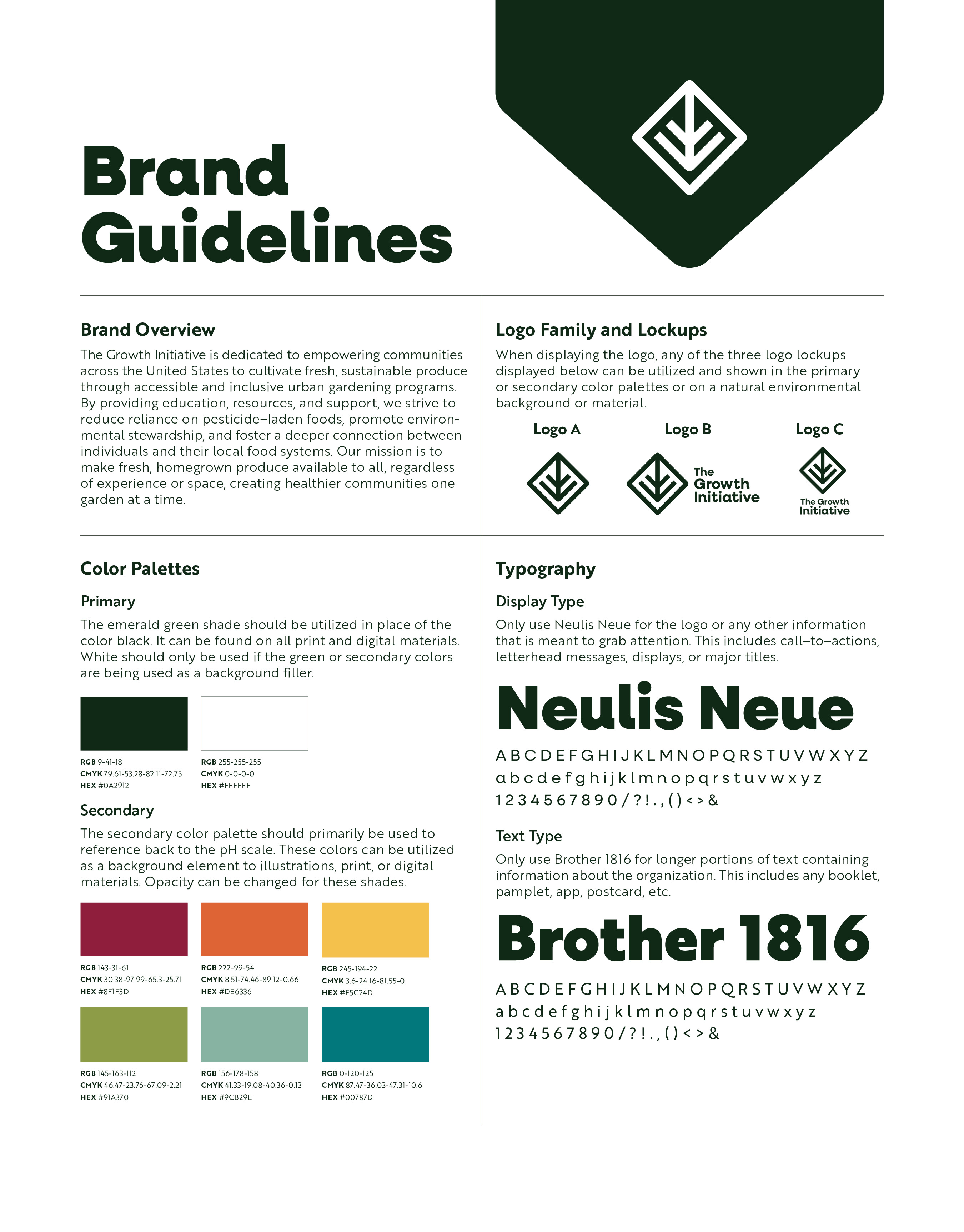
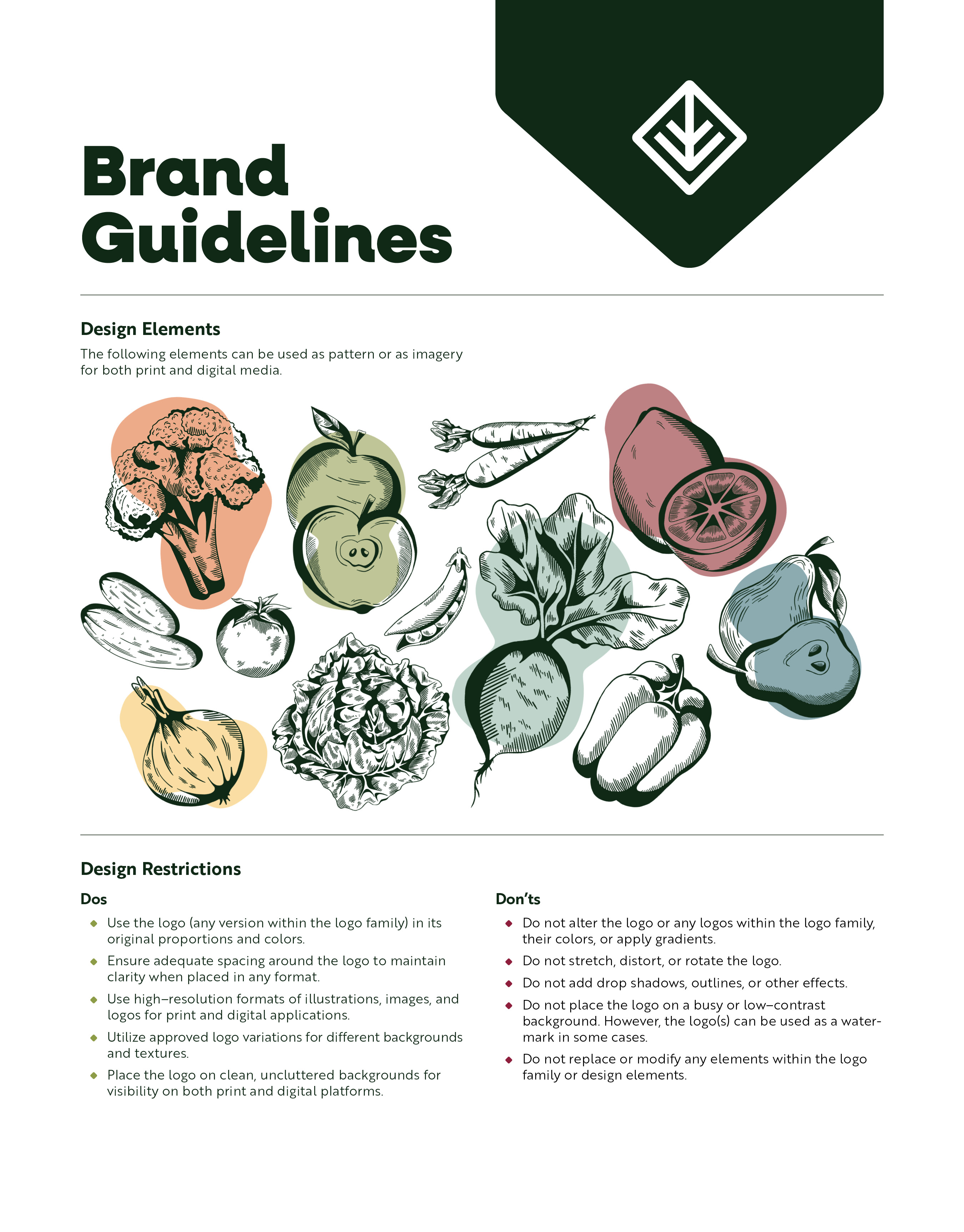
Guided User Journey
1
Discovery
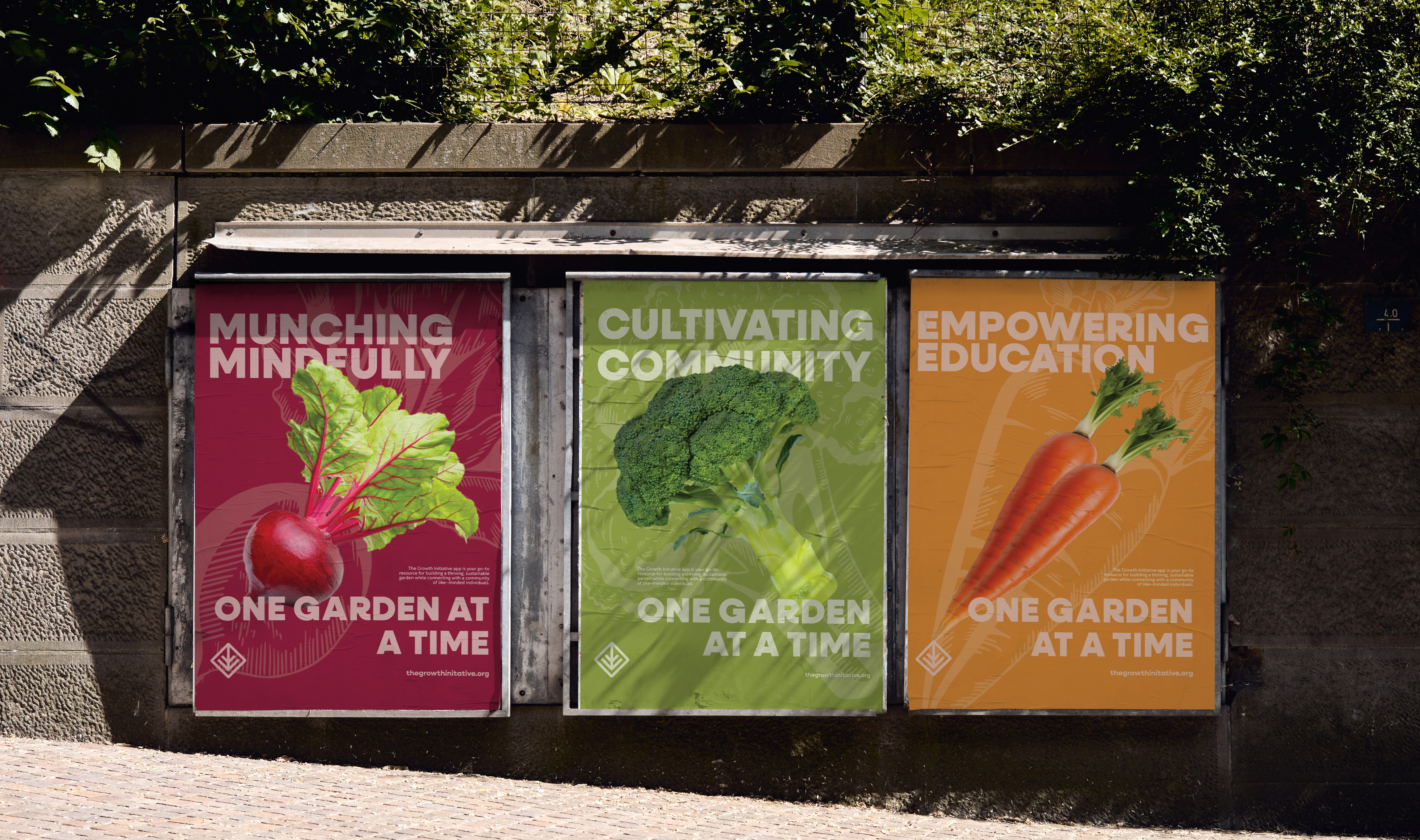
While walking through their local farmers market, the user notices eye-catching posters promoting the Growth Initiative. The messaging sparks curiosity and encourages them to learn more.
2
Research & Registration
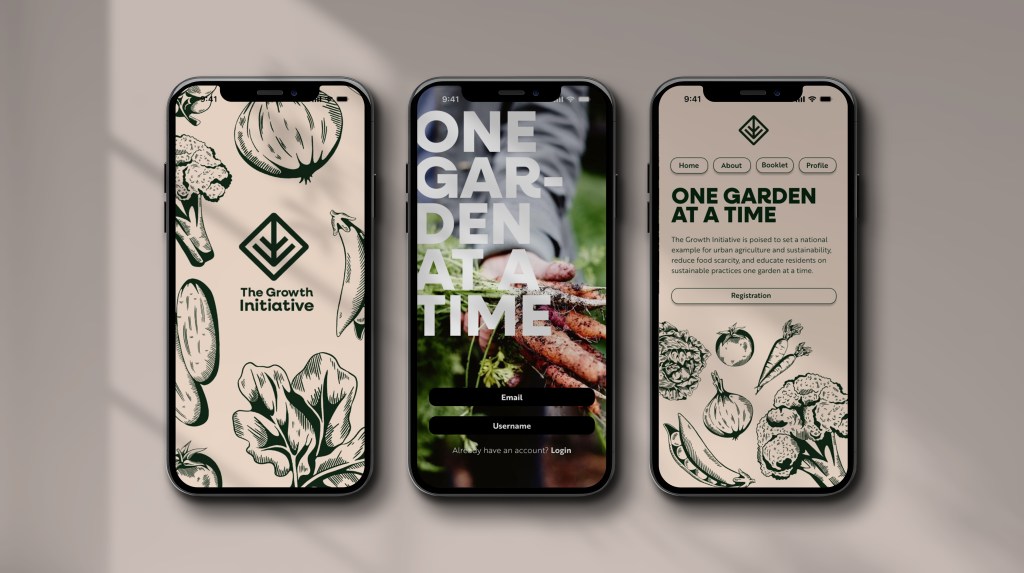
Interested, the user visits the website. After exploring the initiative’s mission and opportunities, they decide to register and fill out the quick sign-up form.
3
Welcome & Orientation
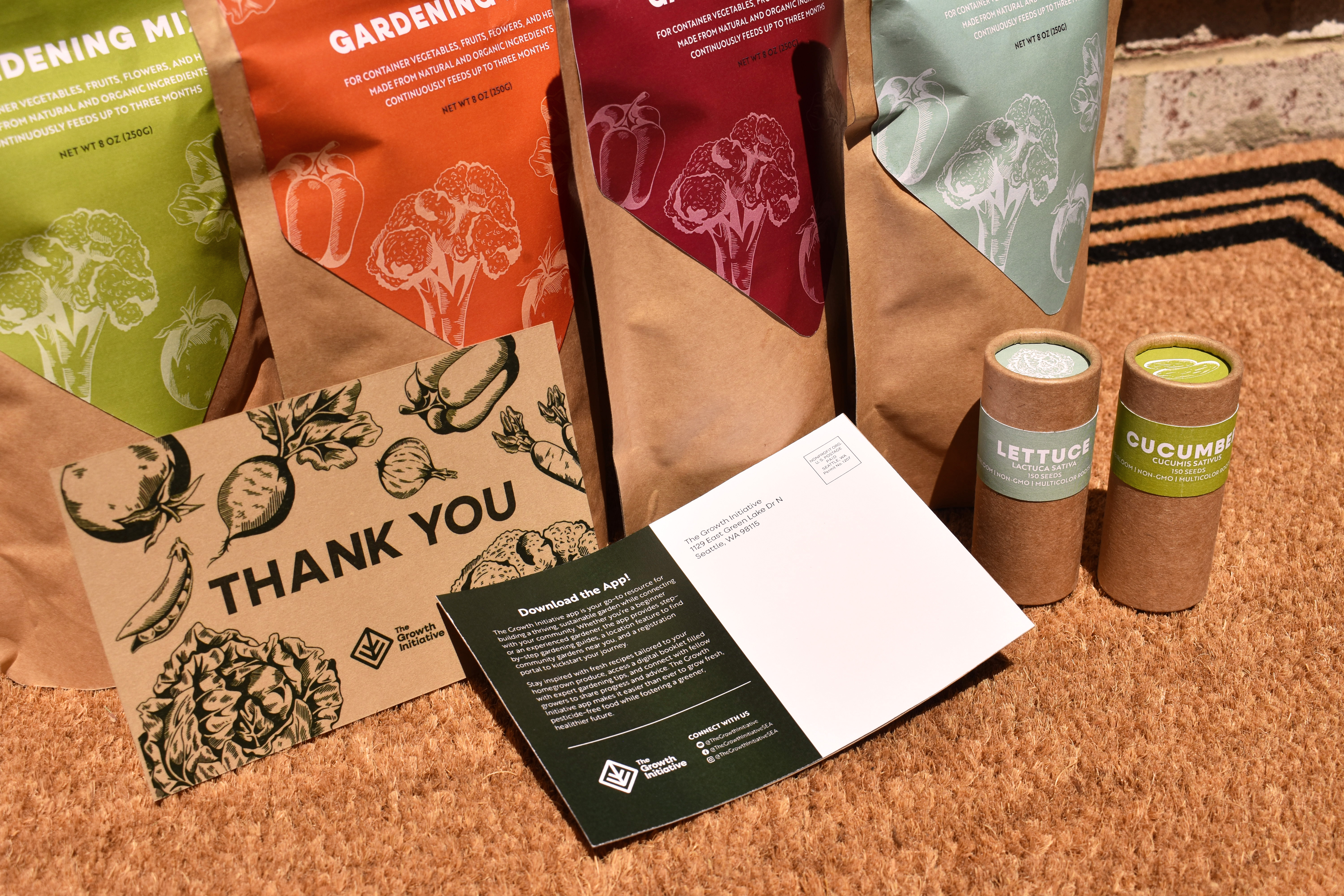
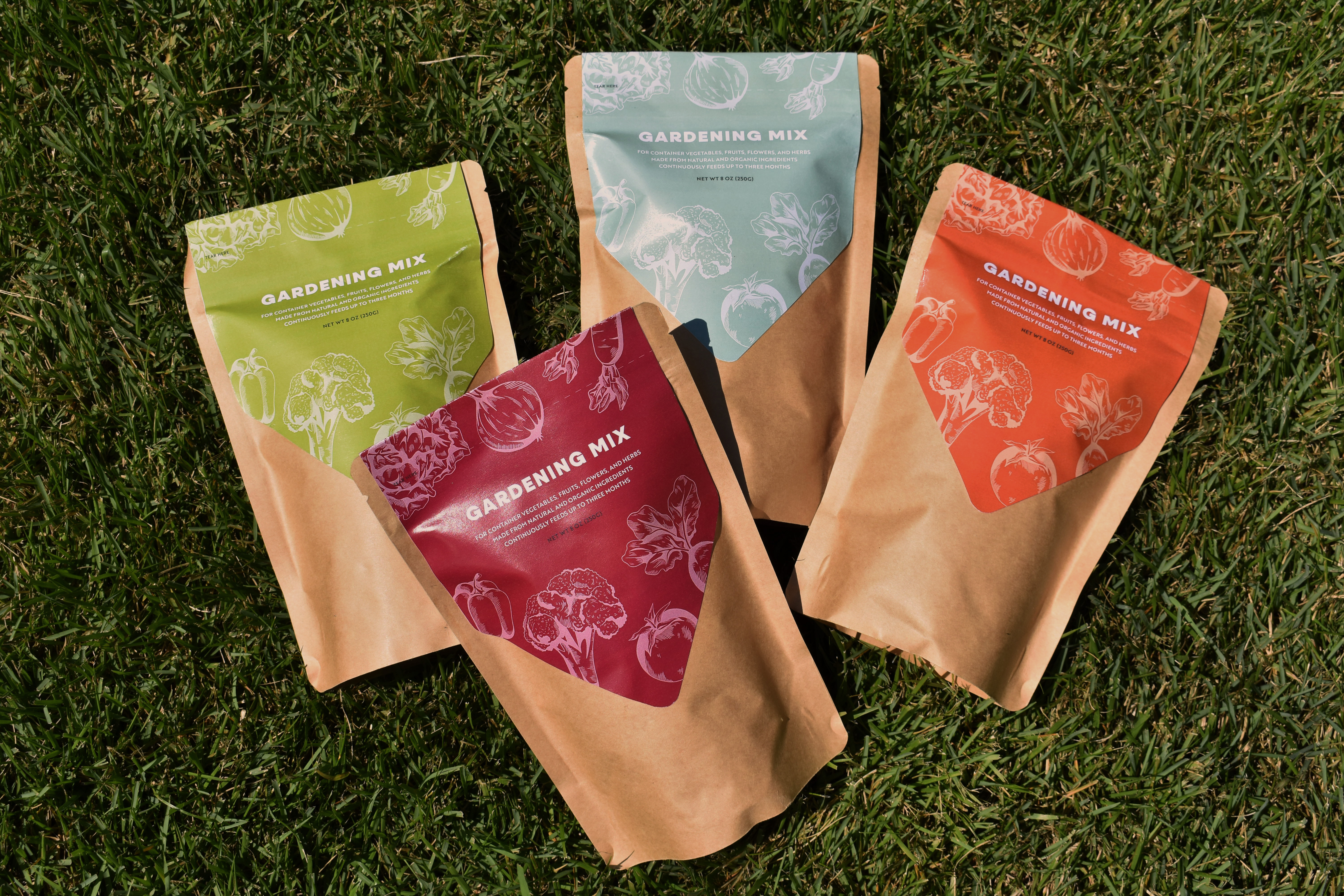
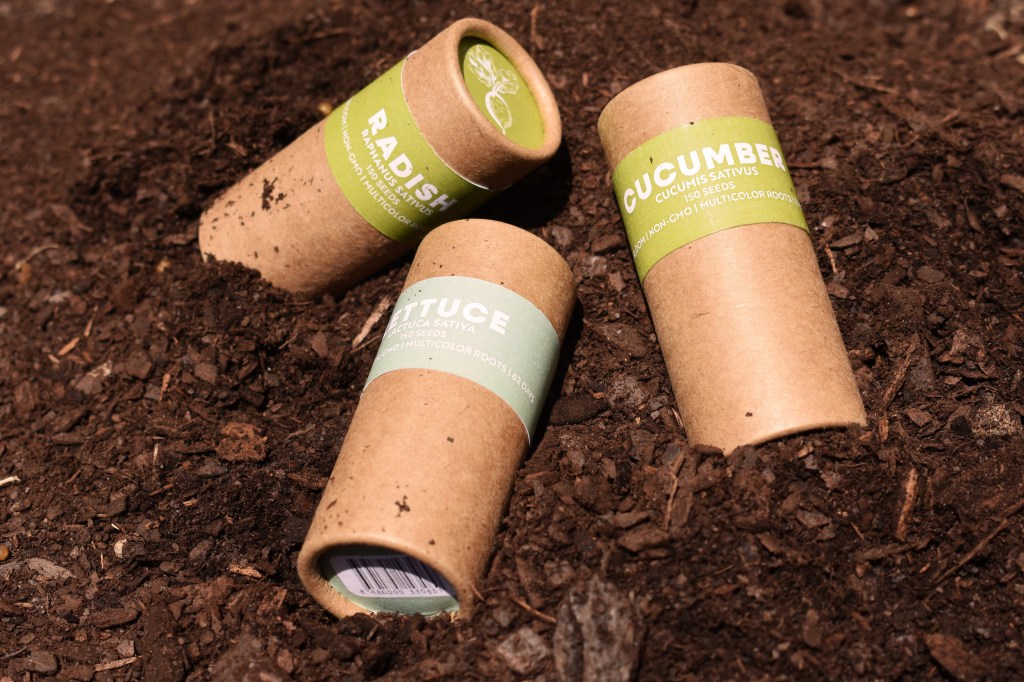
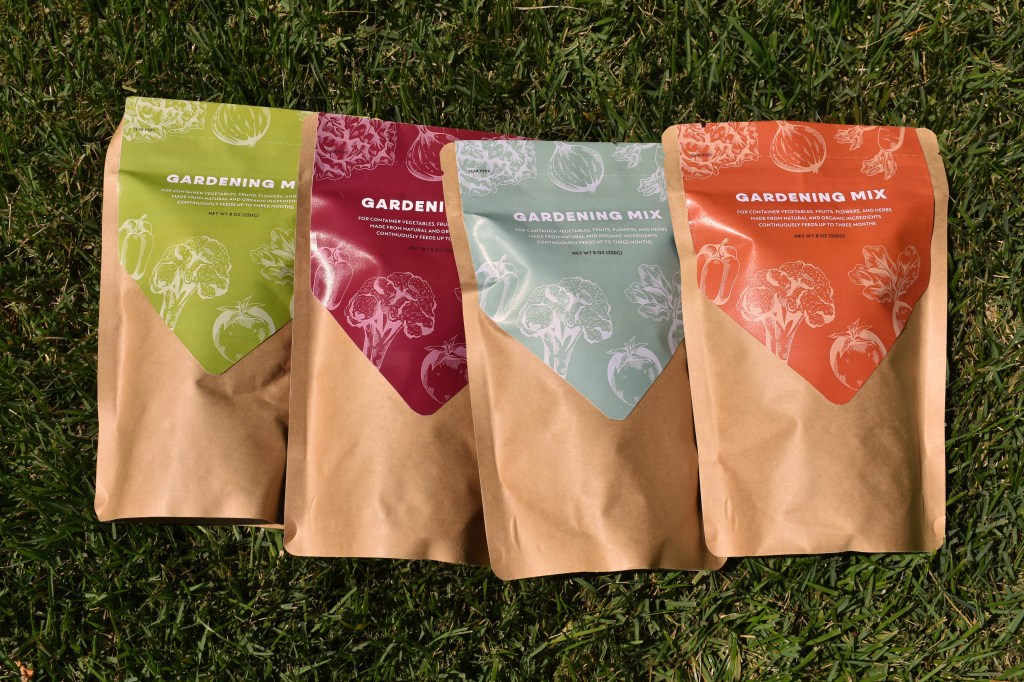
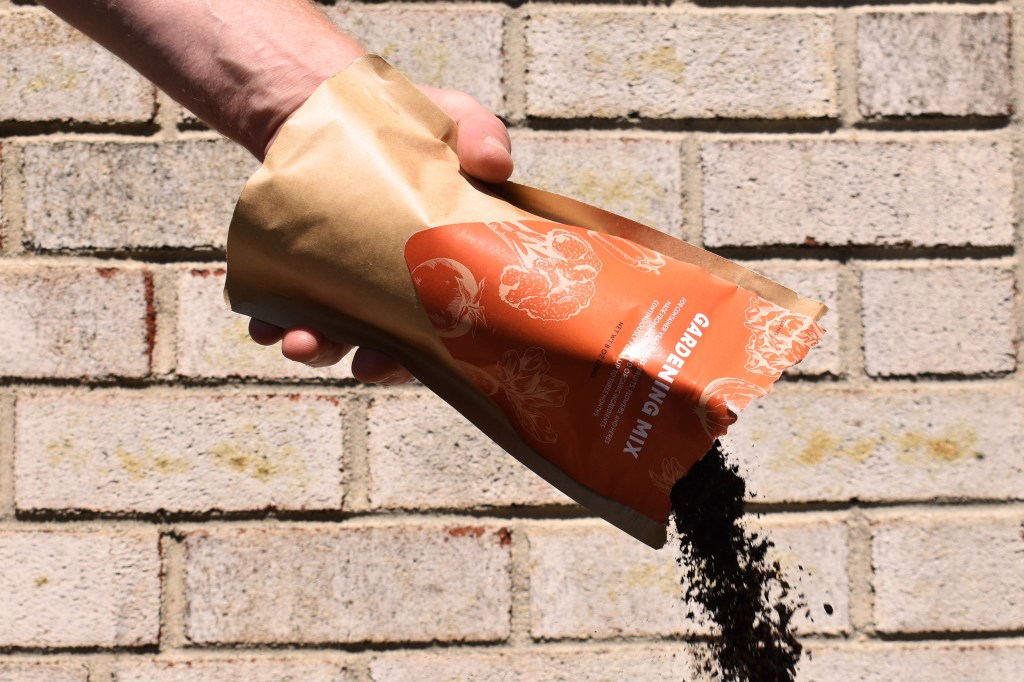
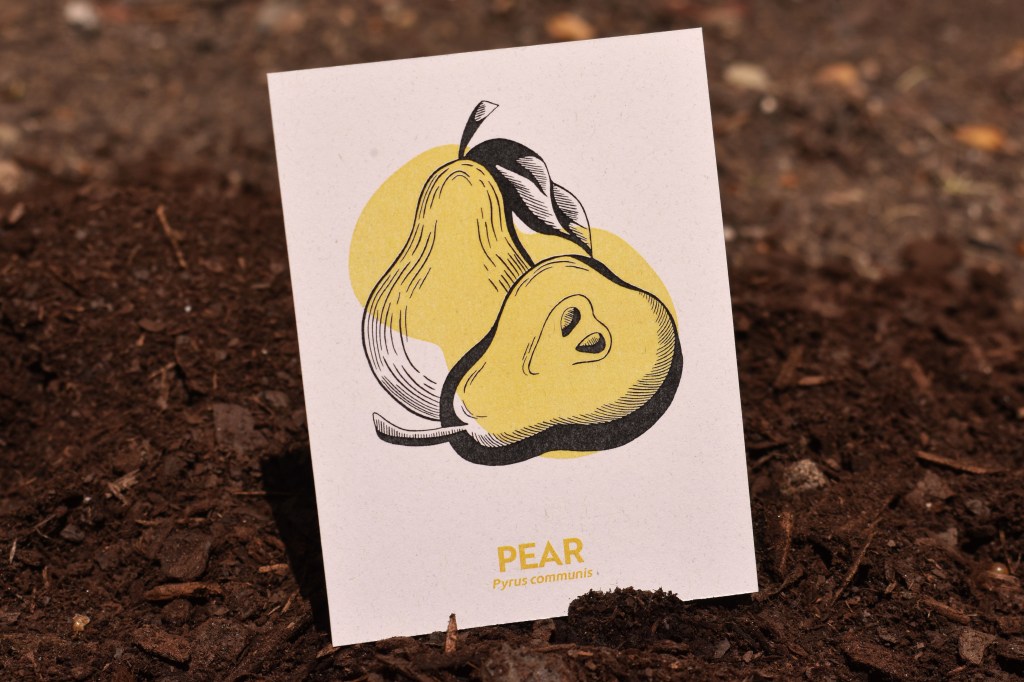
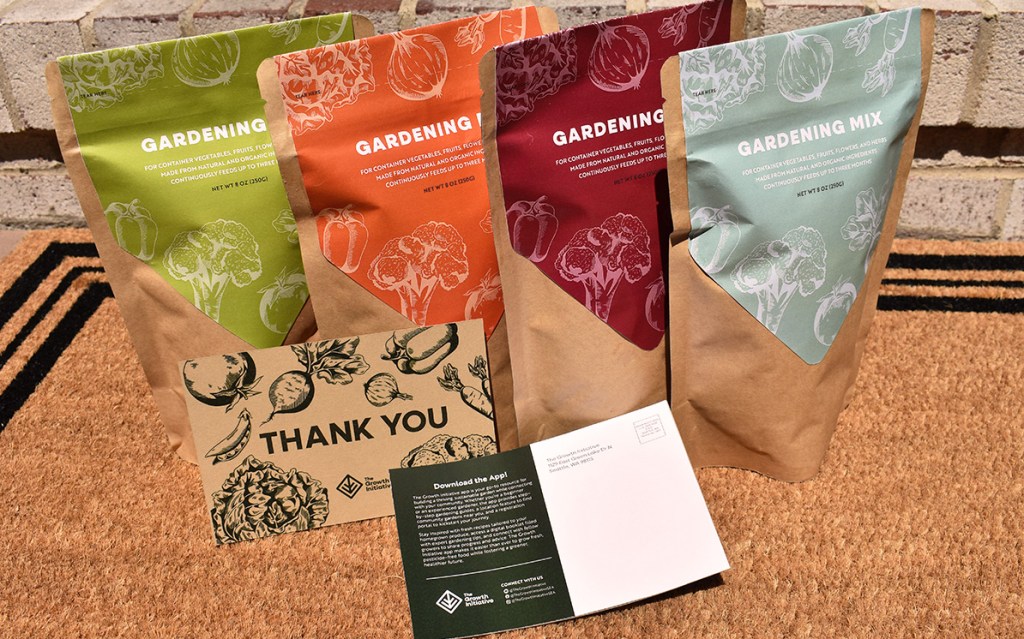
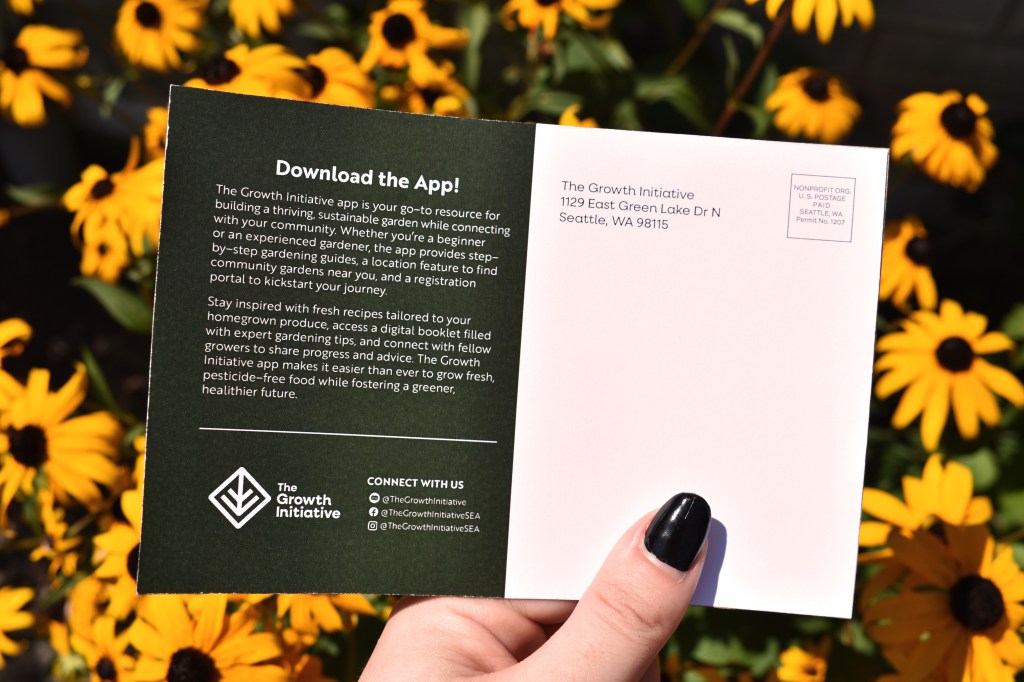
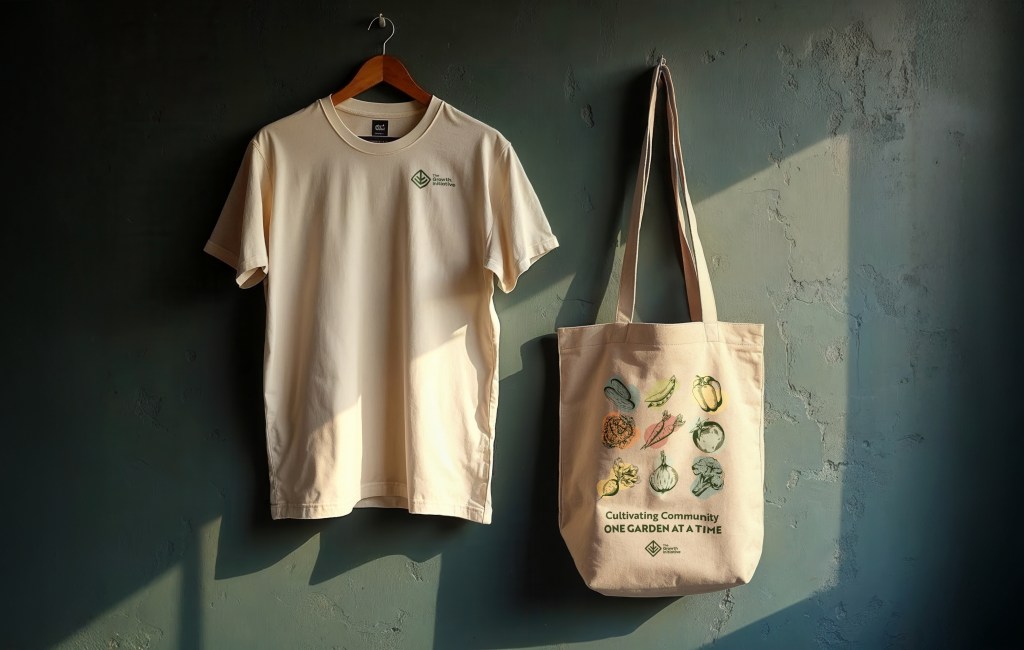
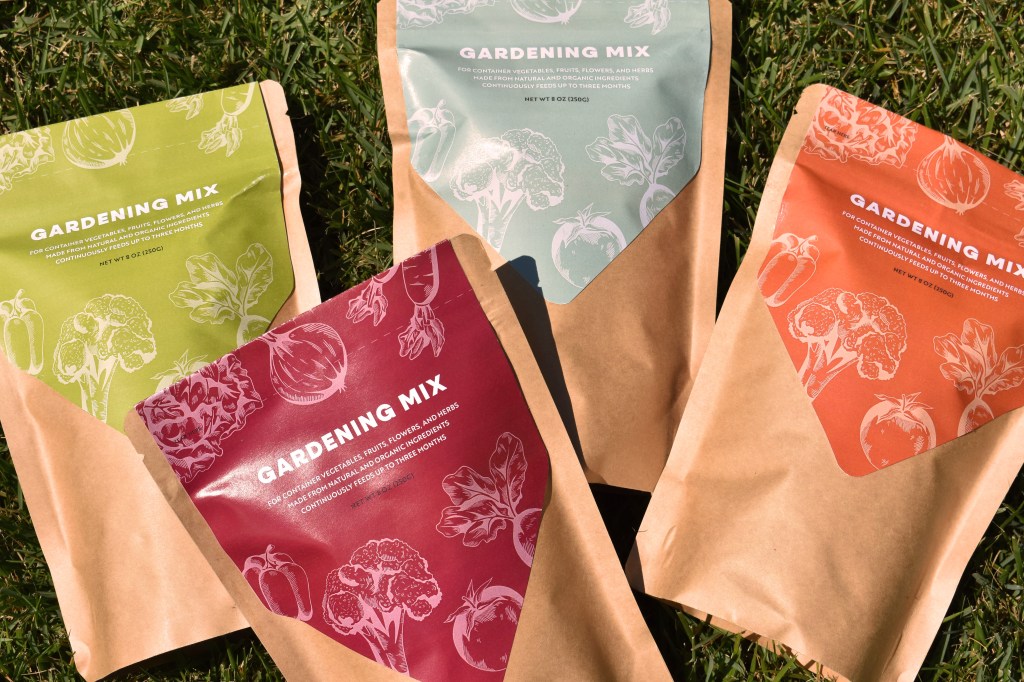
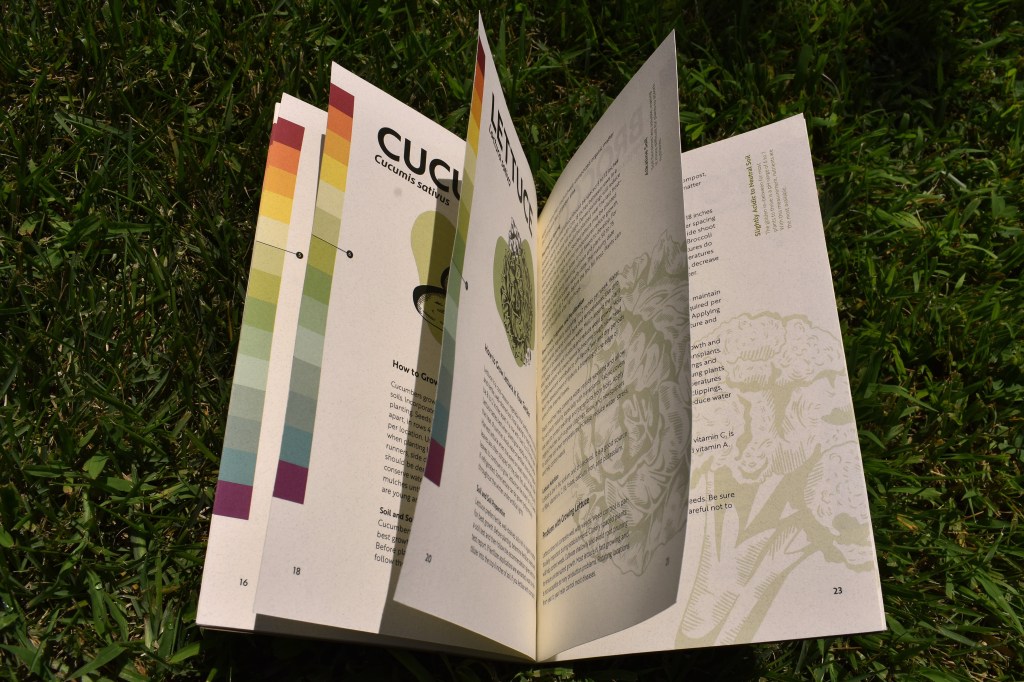
The user receives a welcome box filled with helpful information, starter materials, and details about where they can get involved in their local community.
4
Preparation
With everything they need in hand, the user reviews the provided materials, makes simple preparations, and feels ready to participate in the initiative.
 Sarah Hummel Design