
Supplemental Publication Design
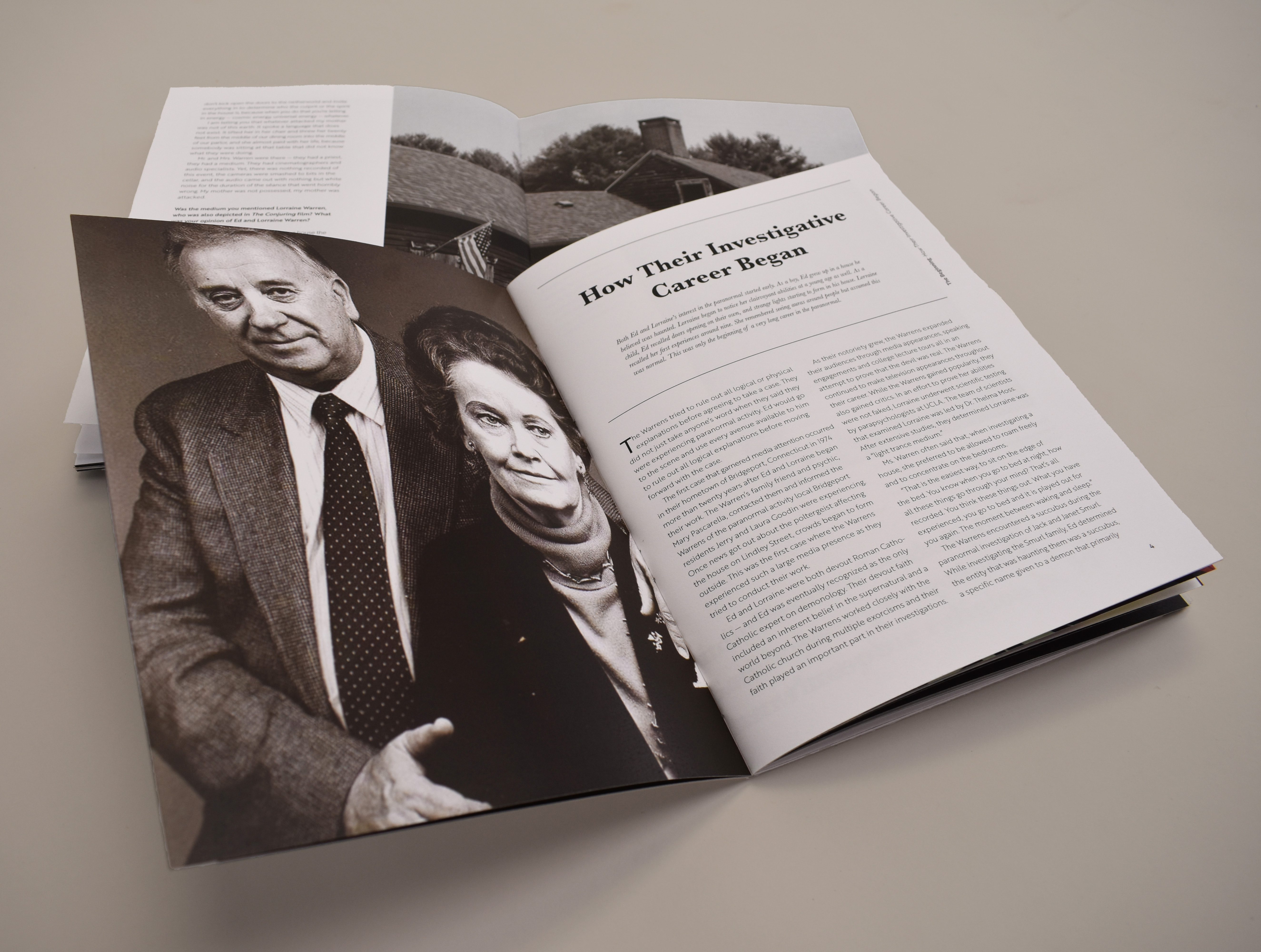
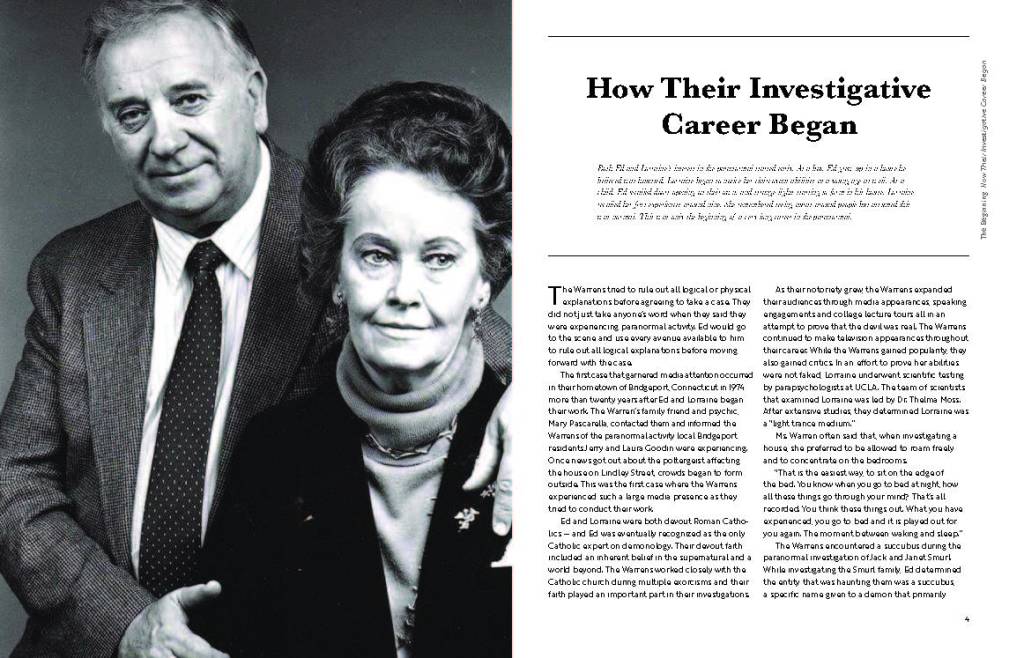
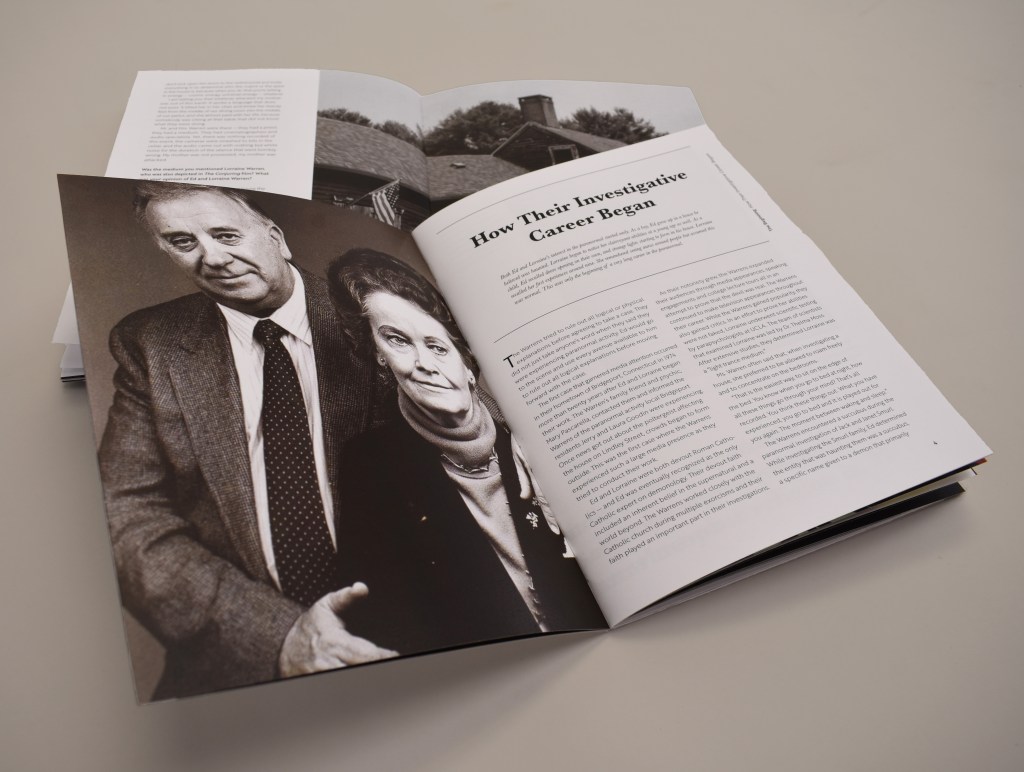
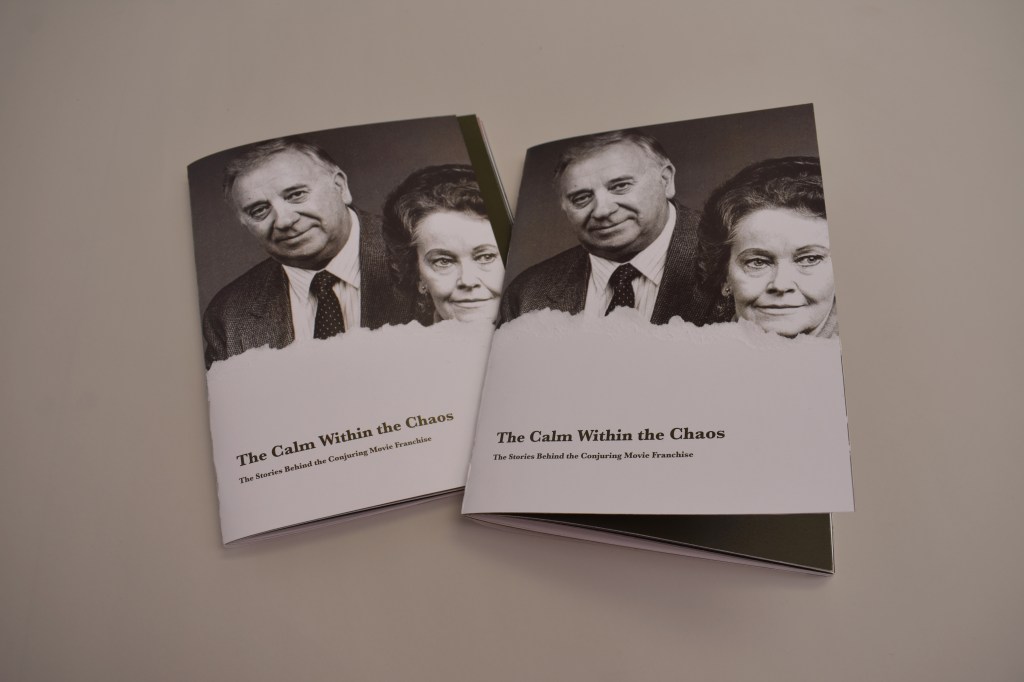
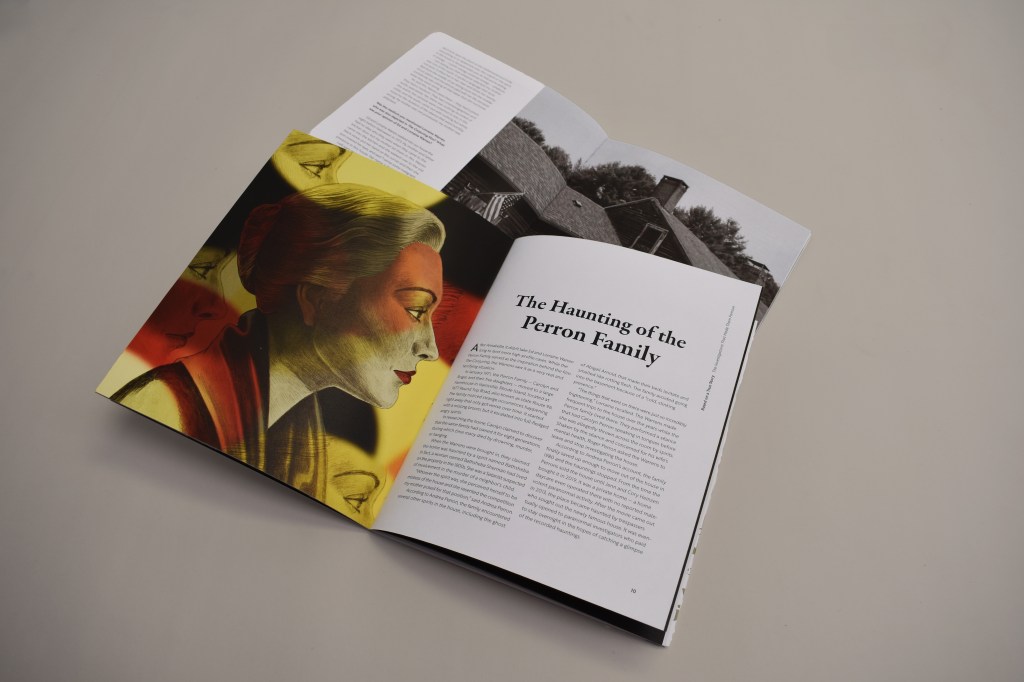
This project involved the creation of a short informational booklet centered around a personally chosen topic of interest. The objective was to research, curate, and distill complex information into a clear, engaging narrative, with a strong emphasis on typography and layout. Each page was individually designed to reflect the tone and content of the information presented using typographic hierarchy, white space, and visual rhythm to guide the reader. Careful consideration was given to type pairing, alignment, and pacing to ensure clarity and readability. While each spread carried its own unique structure, consistent margins, grid systems, and typographic styles were used throughout to establish a unified visual language.
“The word ‘editorial’ means articles that express the editor’s opinion on subjects of particular interest at a particular time… editorial design has come to mean curated storytelling for those with a passion for sharing a point of view, interests or even a brand.”
— Caldwell and Zappaterra, Editorial Design
Publication Introduction
An editorial publication can entertain, inform, promote, instruct, educate, or any combination of these. The heart of editorial design is the communication of an idea or story through the organization and presentation of words (arranged as text and display type) and visuals (photographs, illustrations, infographics, etc.). Editorial design serves several purposes – to structure complex material clearly, to give interpretive expression and personality to the content, to attract and retain a readership, and more.
For ease of communication we will call our publication a booklet. Because editorial content is published periodically we will imagine our booklet as part of a series or other periodical collection of related booklets. “Booklet” is a term in printing that can refer to any printed piece that has a cover and contains four or more pages of content. While generally smaller in size than most books in terms of page count, a booklet can serve all of the purposes mentioned above. In general booklets can do some combination of the following:
Services
Inform
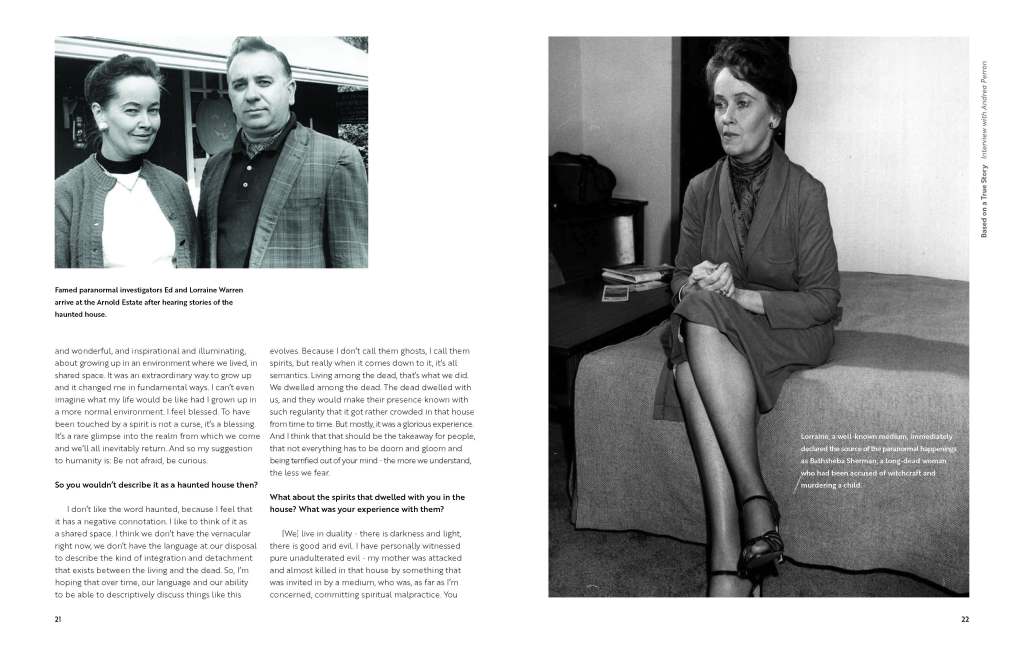
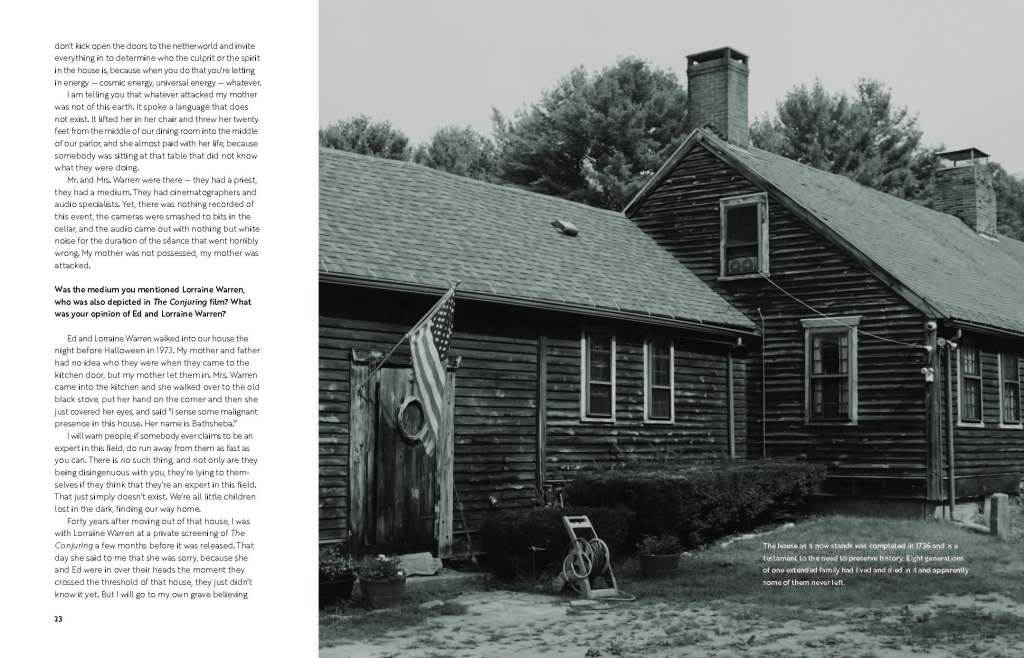
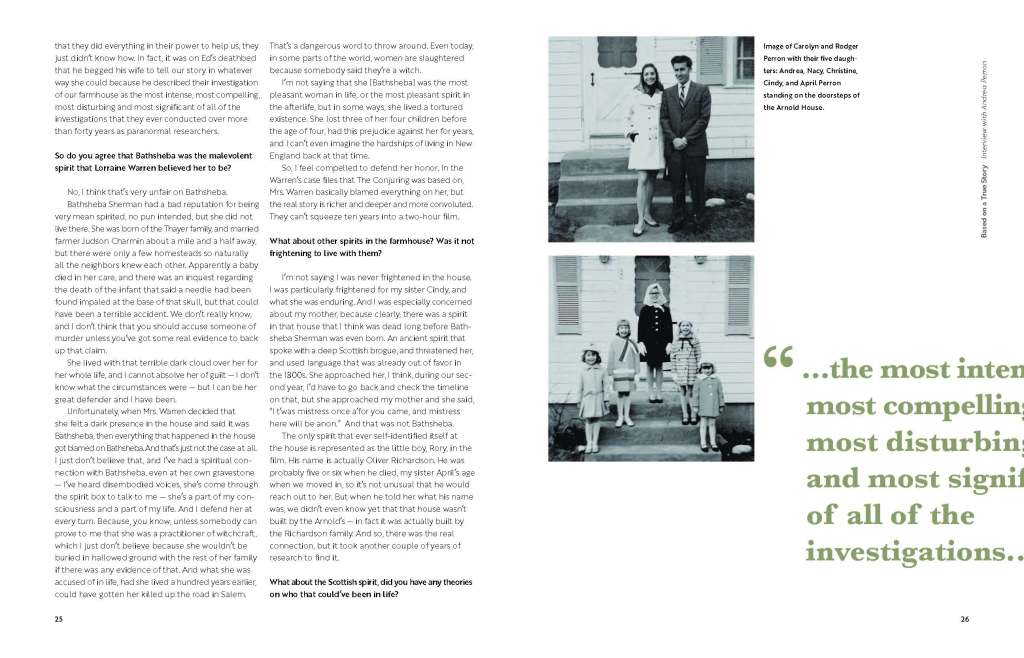
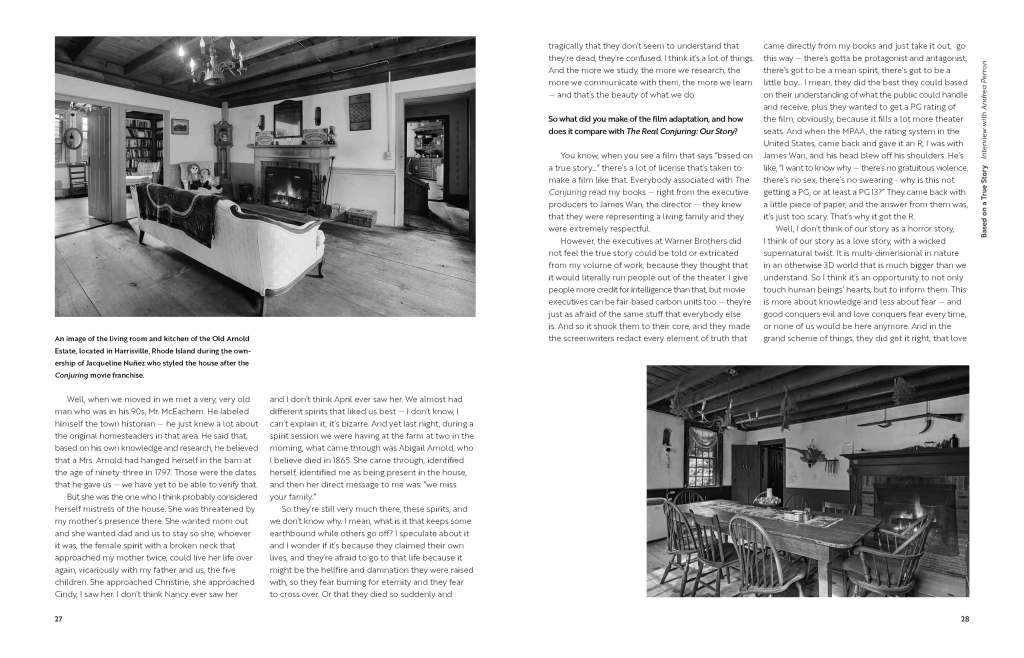
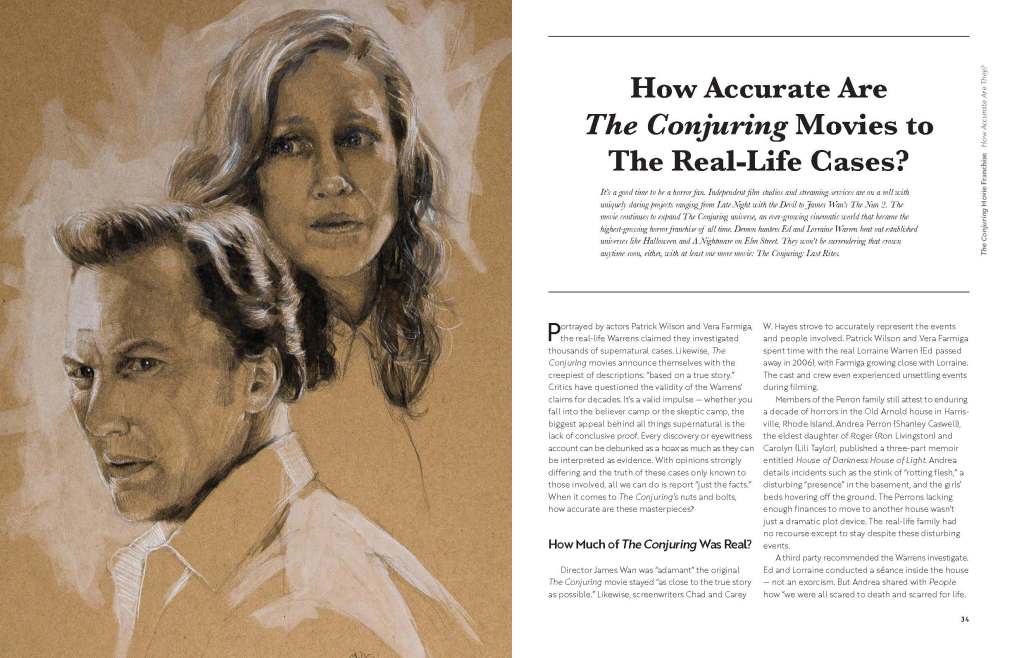
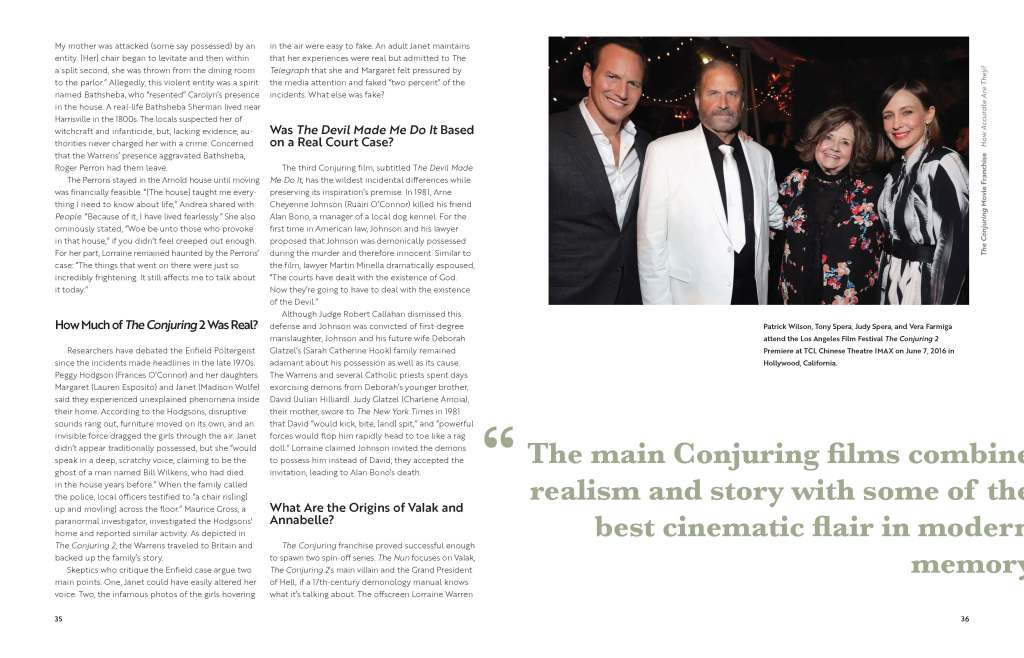
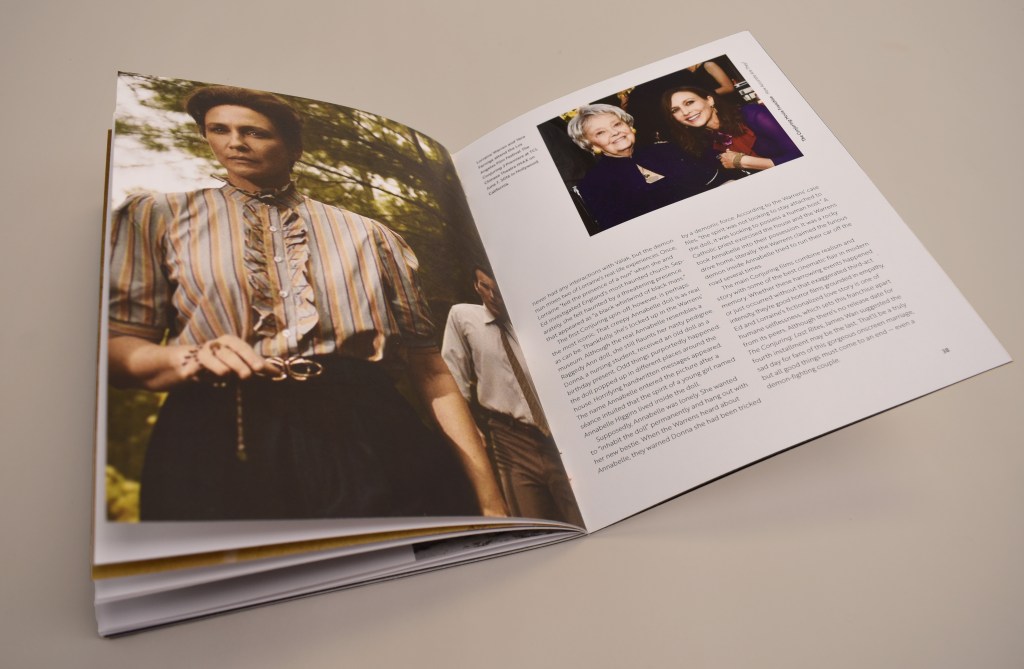
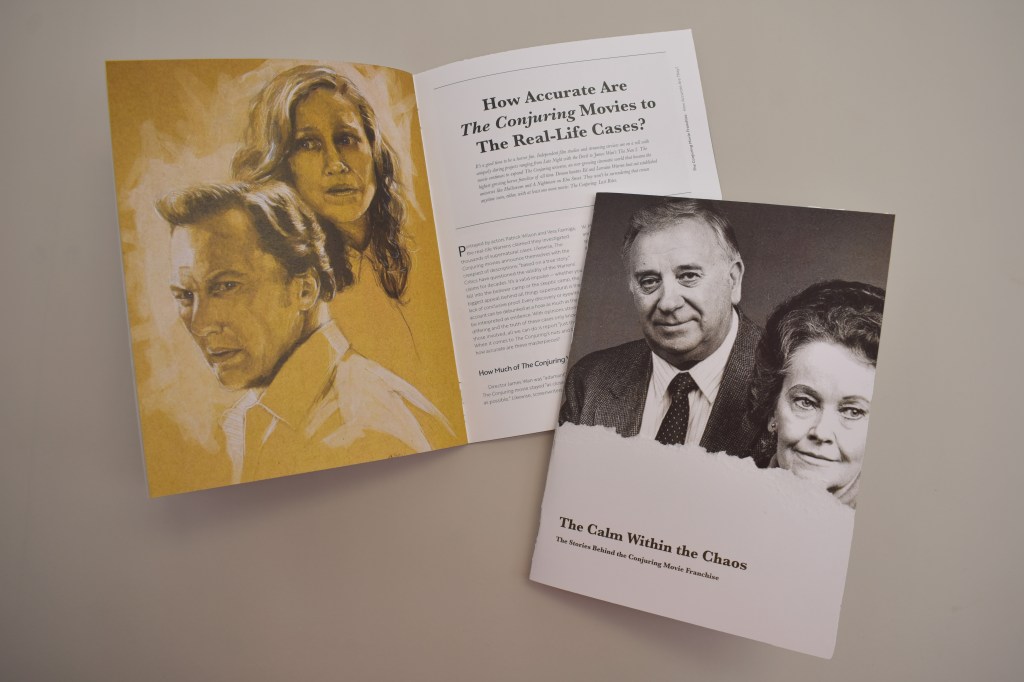
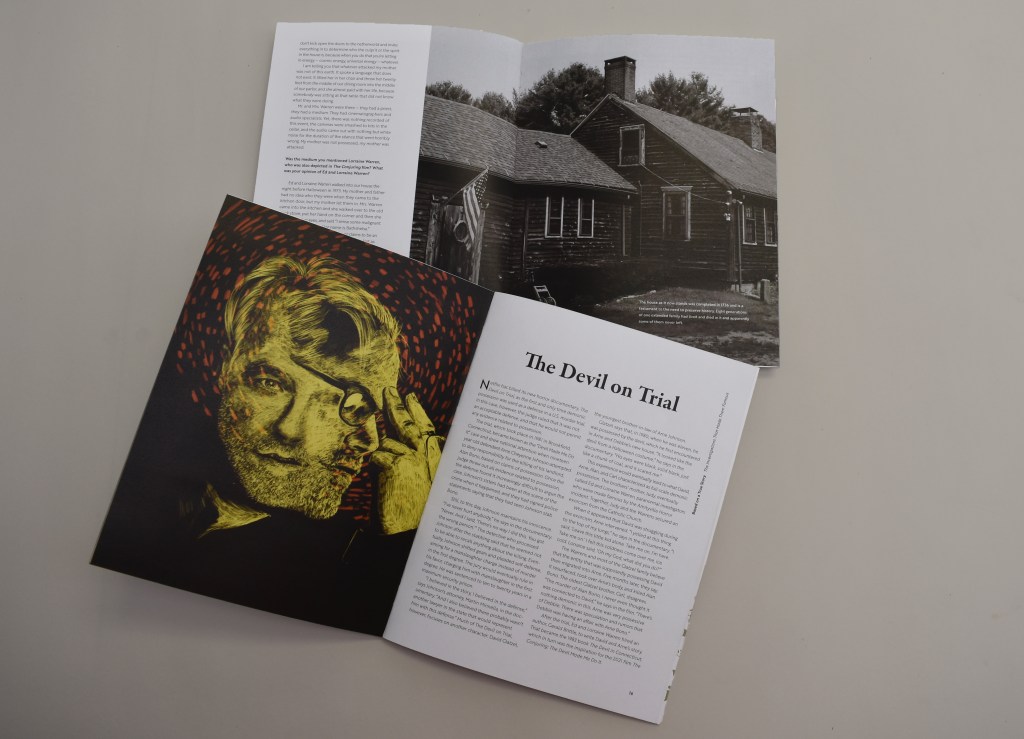
The booklet serves as an educational resource by presenting a side-by-side comparison of the Warrens’ real-life cases and their dramatized film adaptations. Complex information was distilled into an accessible format through curated research, typographic hierarchy, and clear visual organization, allowing readers to understand both the historical accounts and the creative liberties taken in cinema.
Entertain
Designed with the tone of suspense and mystery in mind, the booklet engages readers through atmospheric layouts, visual rhythm, and typographic play. Each spread is crafted to capture the eerie, cinematic qualities of the stories, turning factual content into an immersive reading experience that mirrors the intrigue of horror films.
Promote
By spotlighting both the cultural legacy of the Conjuring franchise and its upcoming installment, Last Rites, the booklet acts as a promotional piece. It emphasizes the continued relevance of the Warrens’ stories, building anticipation for the film while demonstrating how design can bridge the gap between history, storytelling, and marketing.
“Editorial design is the framework through which a given story is read and interpreted. It consists of both the overall architecture of the publication (and the logical structure that it implies) and the specific treatment of the story (as it bends or even defies that logic).”
— Caldwell and Zappaterra, Editorial Design
Client and Subject of the Publication
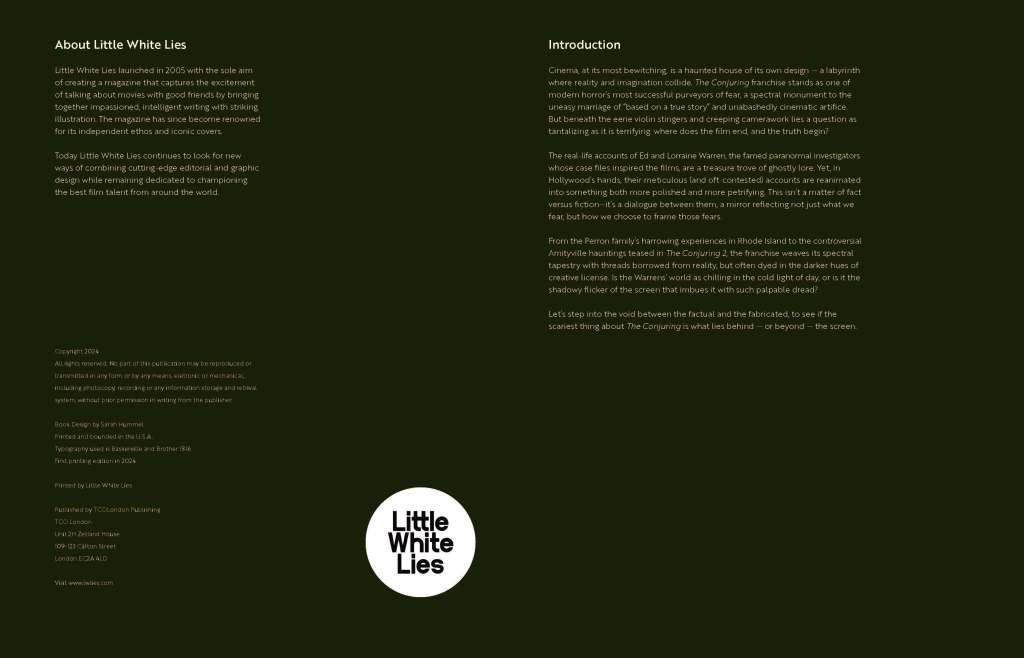
Little White Lies is the sponsor for this booklet. This magazine company was established in 2005 as a bi-monthly print magazine committed to championing great movies and the talented people who make them. Combining cutting-edge design, illustration and journalism, they’ve been described as being “at the vanguard of the independent publishing movement.” Their reviews feature a unique tripartite ranking system that captures the different aspects of the movie-going experience. They believe in Truth & Movies.
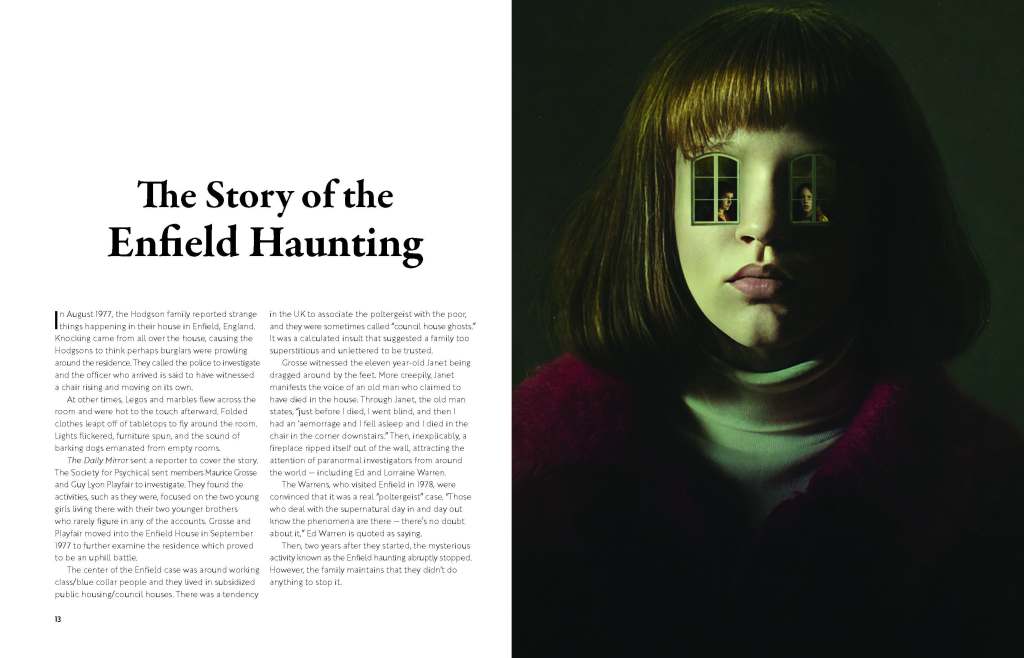
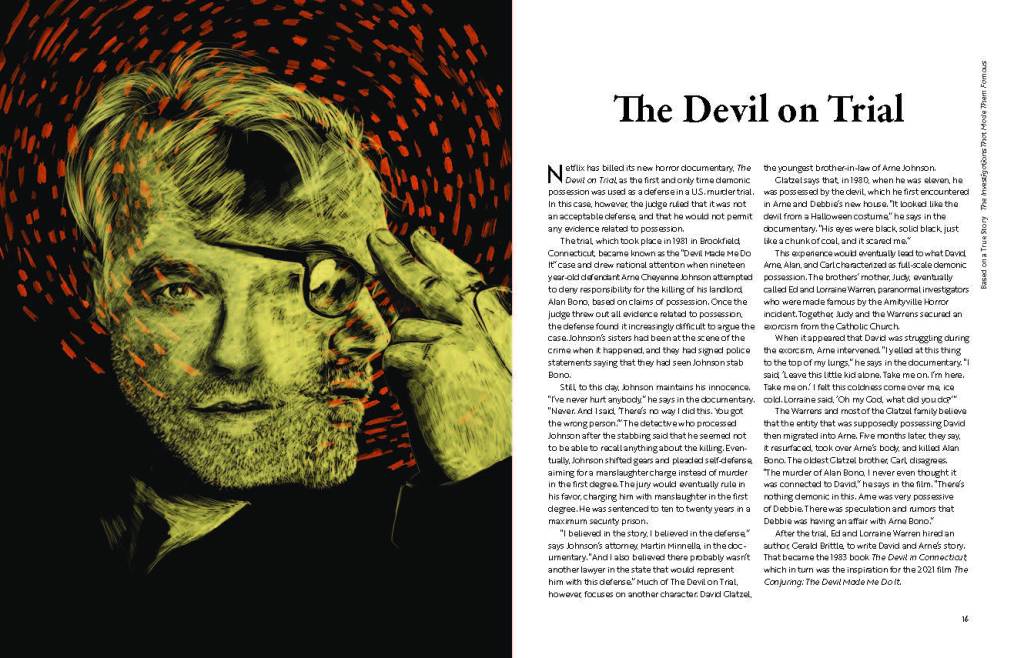
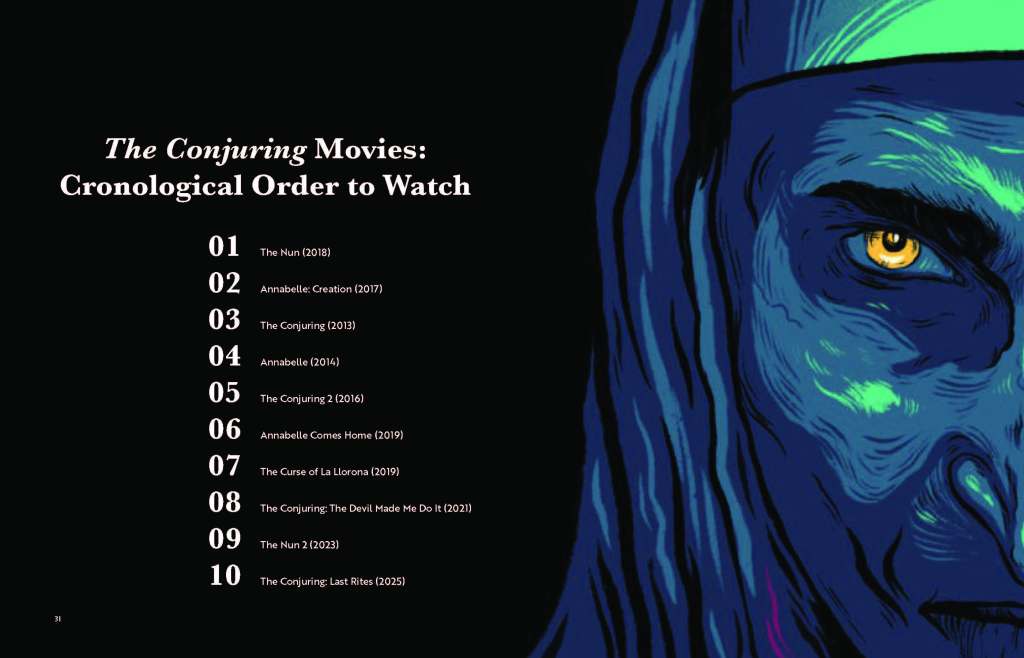
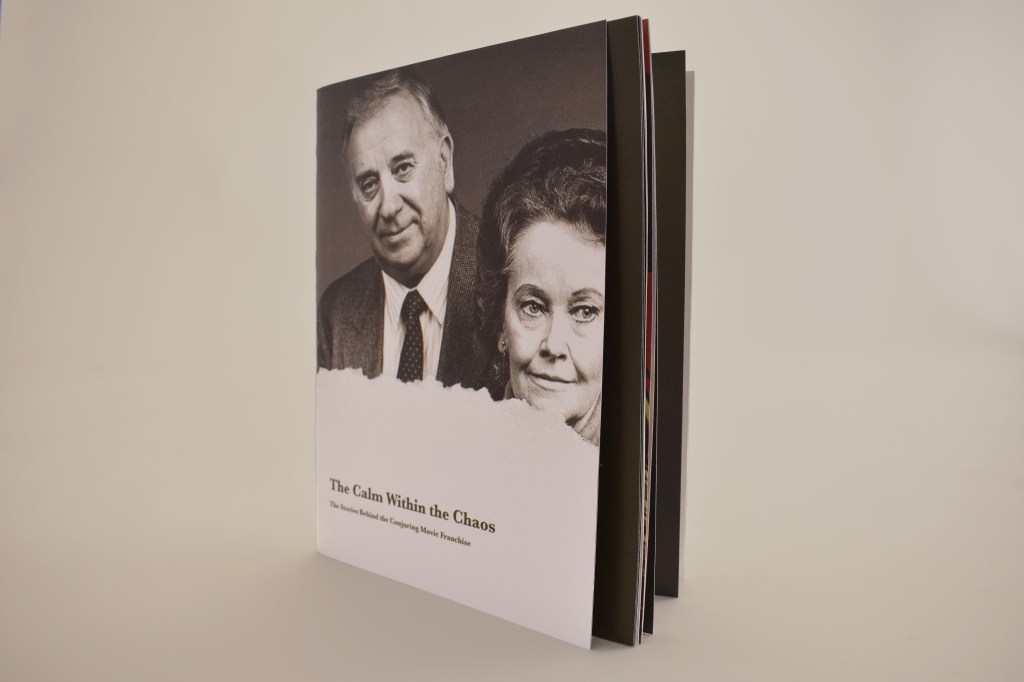
In 2017, Little White Lies published a review on Annabelle: Creation which is the prequel to the 2014 Annabelle, the fourth installment in The Conjuring Universe franchise. This booklet delves into the history behind the creation of The Conjuring Universe: the lives of the investigators, going behind some of their most famous cases, and breaking down some of the key points within the movie adaptations.
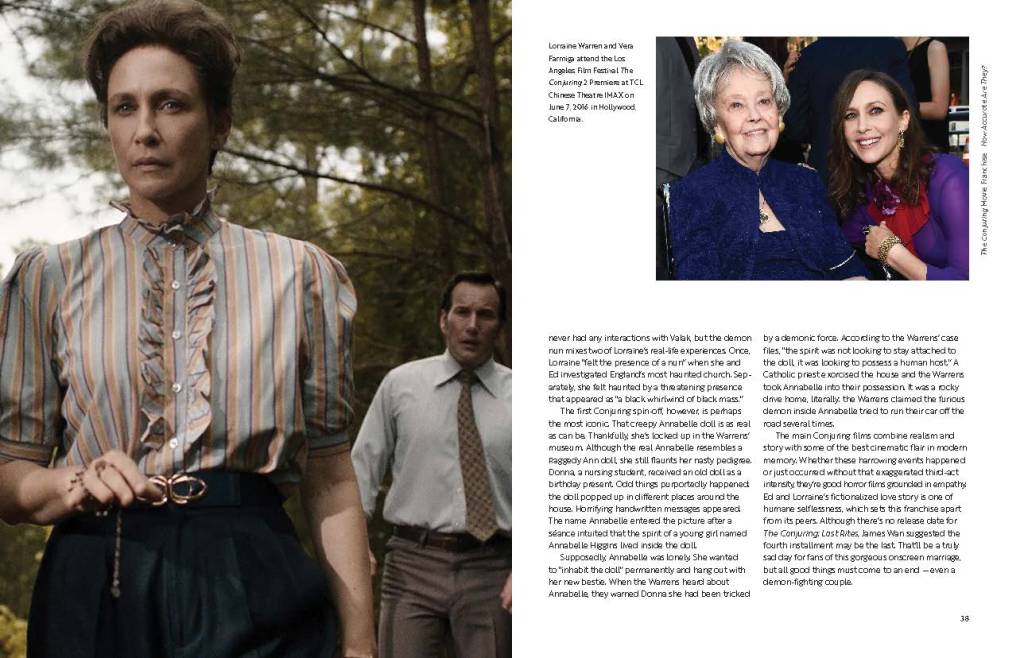

Publication Purpose and Target Audience
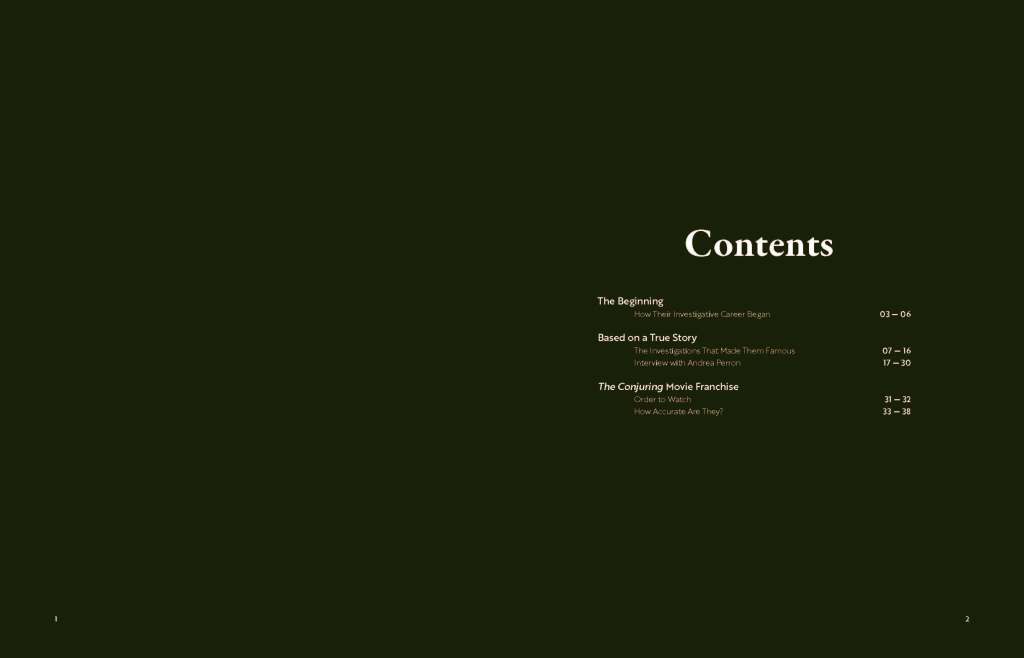
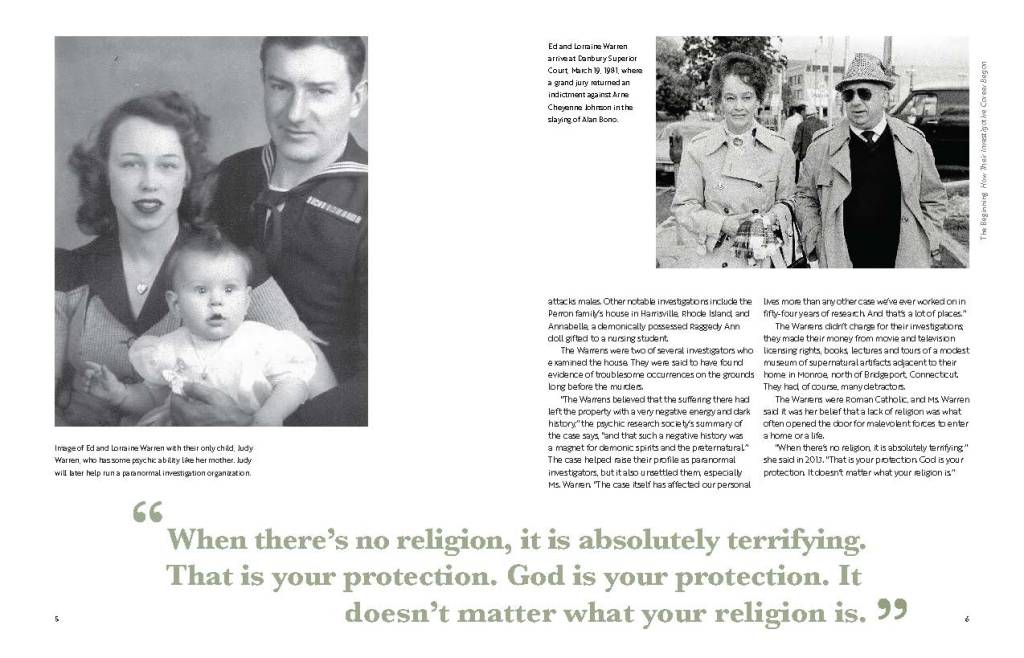
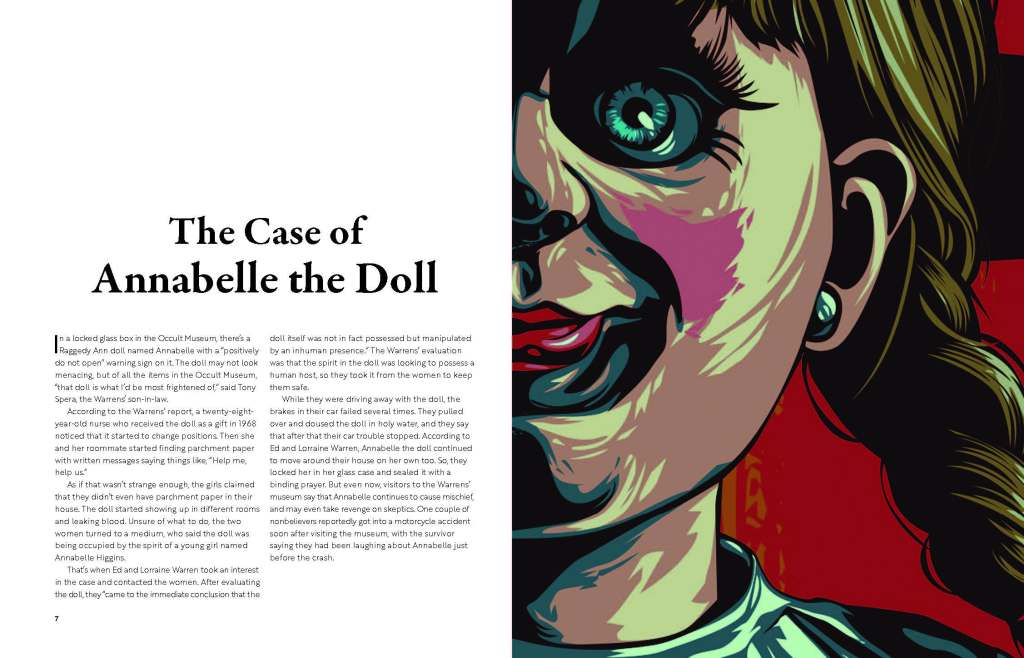
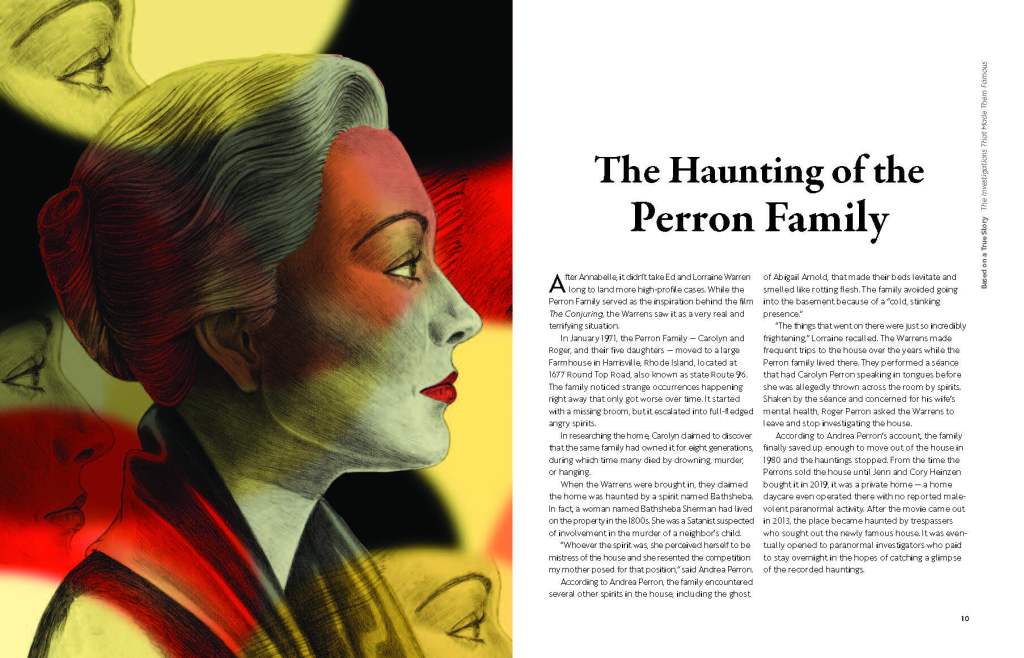
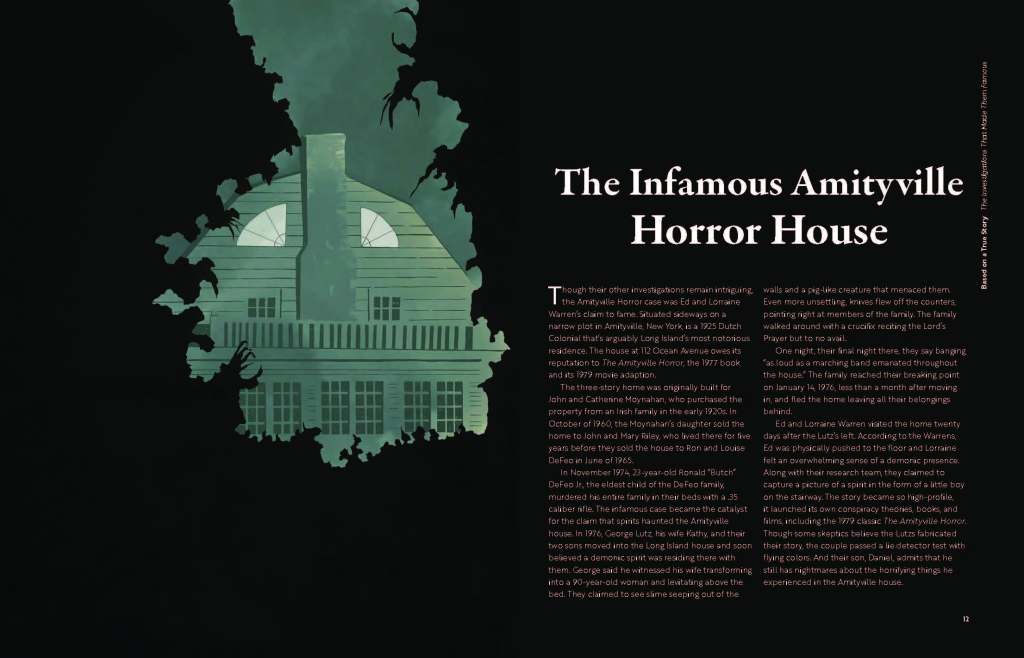
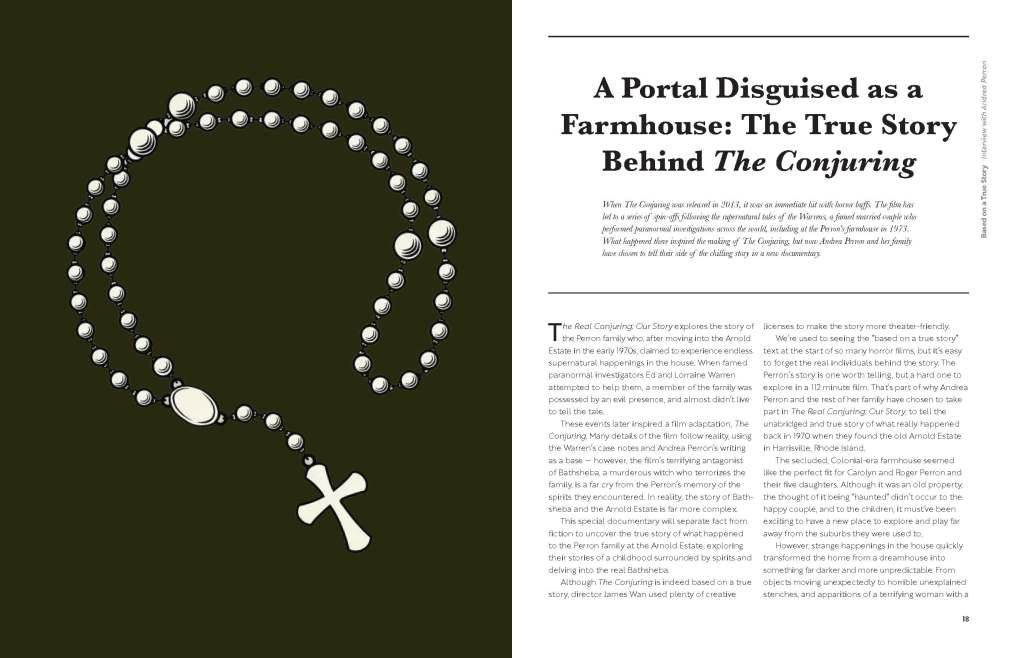
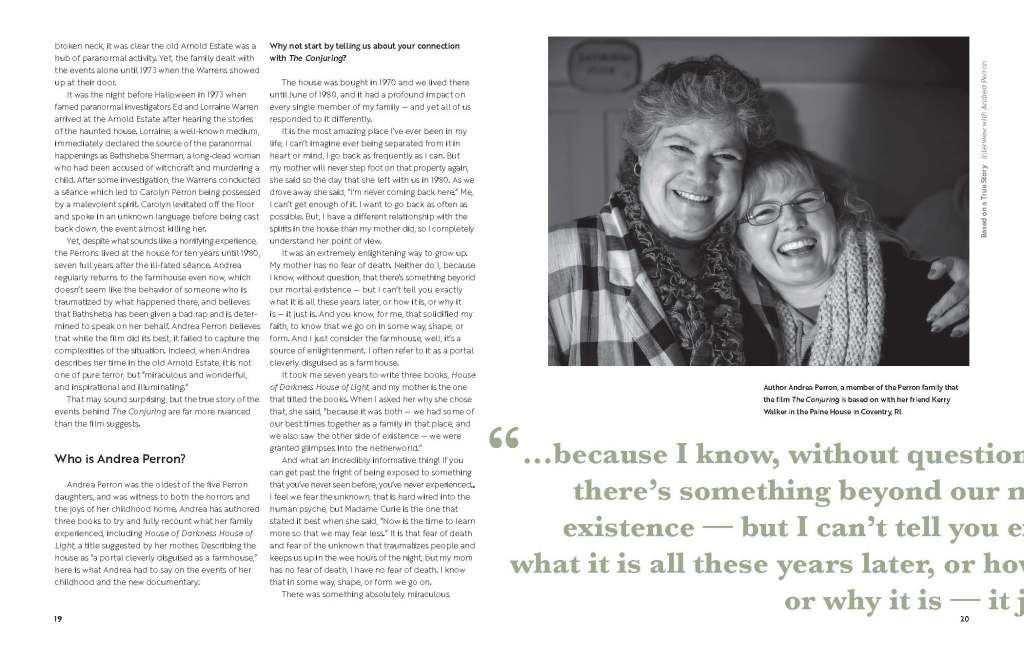
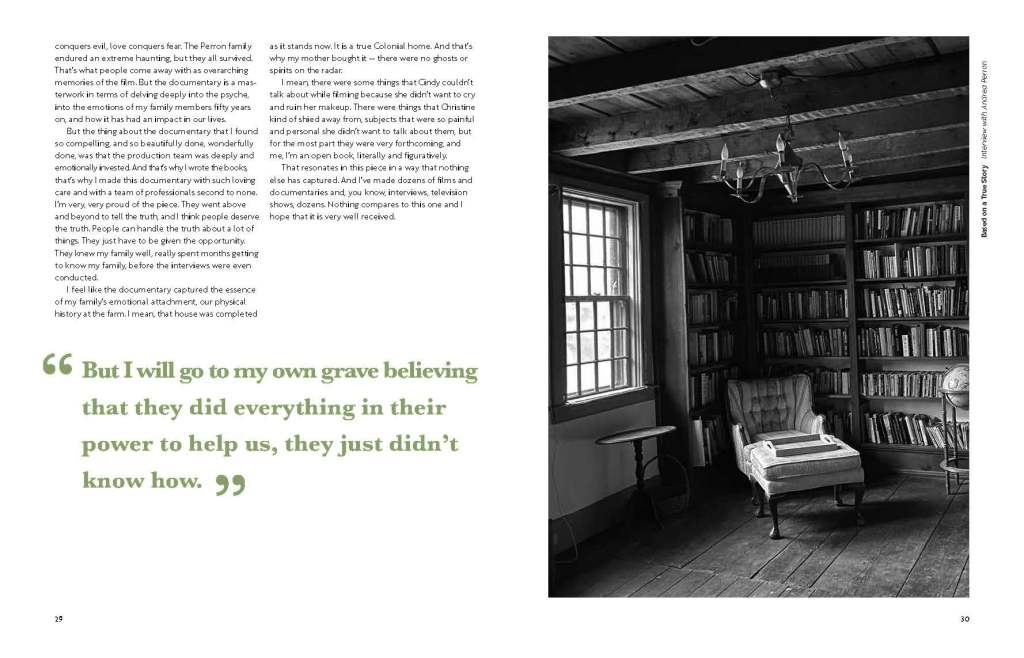
This booklet is meant to take readers beyond the movie screen and invite them to learn about the real people, places, and events that laid the foundation for James Wan’s film franchise. It is divided into three sections focusing on investigator history, case breakdown, and movie translation.
The consumer demographic of Little White Lies is very broad. However, readers typically enjoy insightful, in-depth analysis, and often seek out content that delves into the aesthetics, themes, and cultural significance of movies. This magazine attracts a discerning audience who appreciates its unique blend of stylish design and thoughtful film criticism.
For the current focus on The Conjuring franchise, the readers are likely exploring beyond the surface-level thrills of horror. There is an interest in discussions about the cinematic techniques used to build suspense, the historical and cultural context of the supernatural themes, and the psychological layers behind the storytelling. They are not just casual fans of horror, but those who appreciate how franchises like The Conjuring contribute to and evolve within the genre, analyzing elements like narrative structure, content exaggeration, and character development.
 Sarah Hummel Design